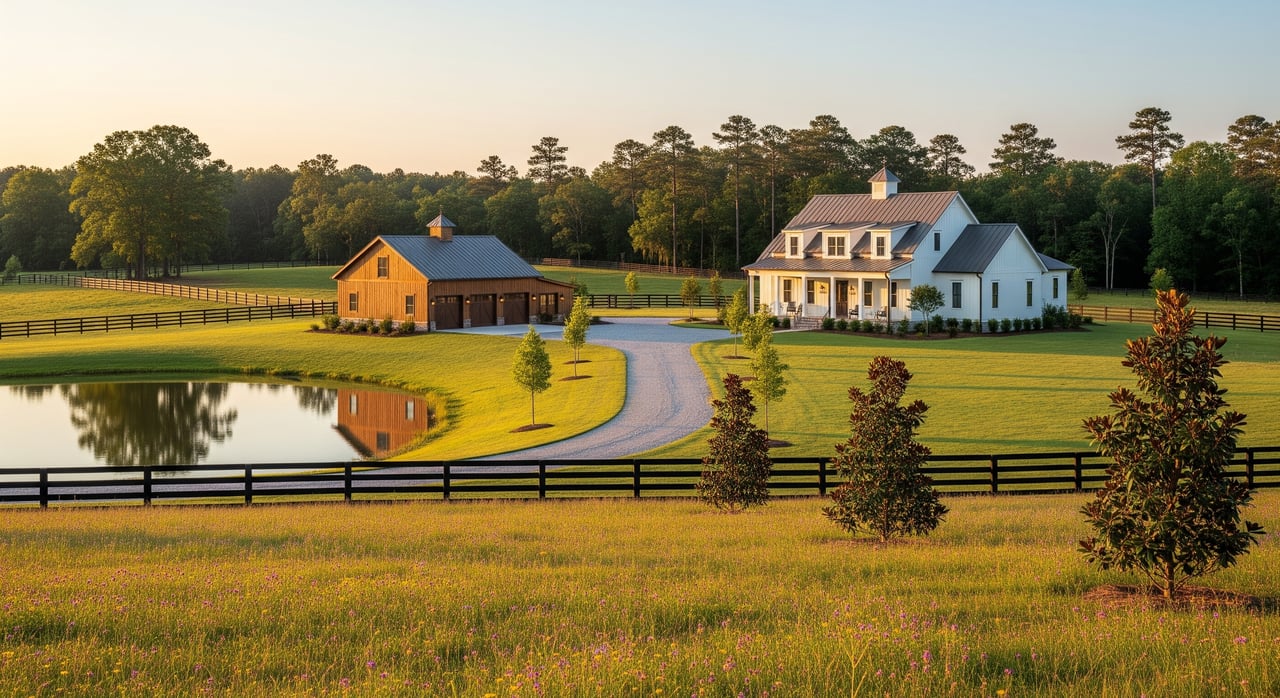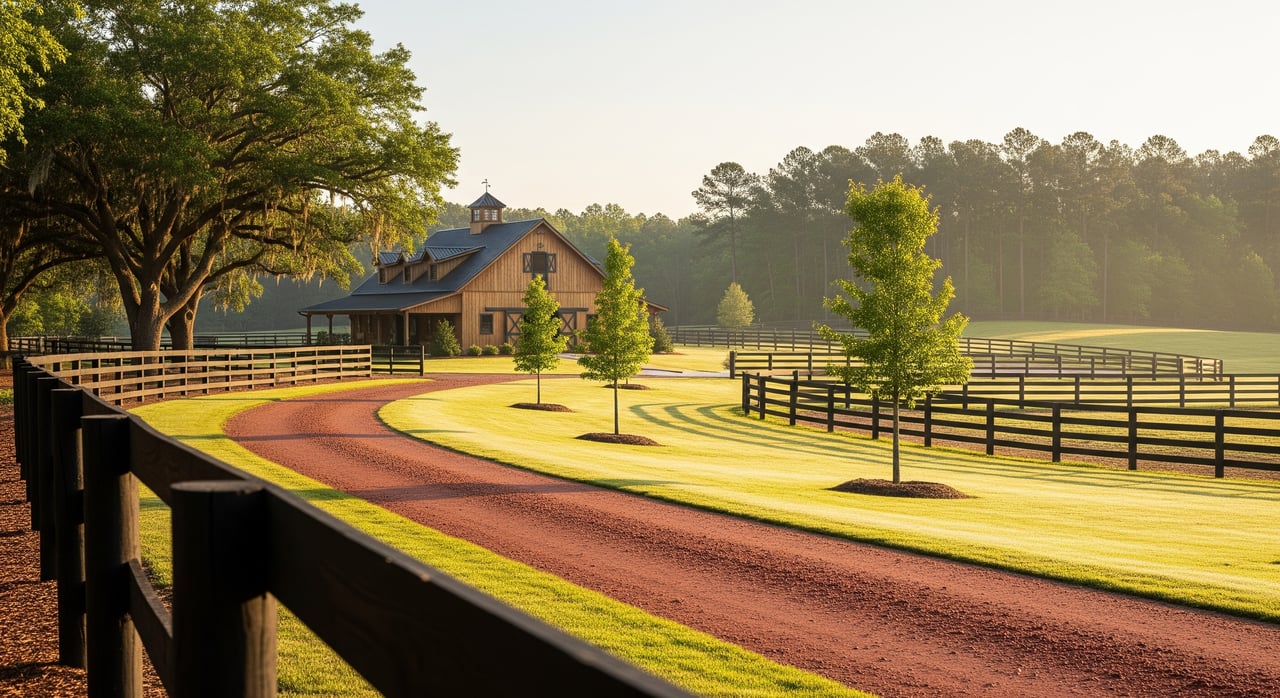
Thinking about a horse property near Rembert, just outside Camden’s storied hunt country? You want open pasture, a safe arena, and a setup that supports everyday riding without constant headaches. With the right plan, you can enjoy the lifestyle you came for and avoid costly fixes later. In this guide, you’ll learn how to evaluate pasture health, arena footing, fencing, and local access so you buy with confidence. Let’s dive in.
Know the rules and the land
Before you fall in love with a barn or a grove of shade trees, get clear on land use and infrastructure. Rembert is in Sumter County, and many properties sit within an easy drive of Camden’s equestrian scene. The climate is humid subtropical, which means hot, wet summers and mild winters. That climate rewards careful drainage design and steady maintenance.
- Confirm zoning and setbacks with the Sumter County planning and building office. If you are close to the Kershaw County line, also check Kershaw County rules for barns or arenas.
- Verify septic and well details through South Carolina DHEC and county records. Ask for permit history, system capacity, and any upgrades that support a barn or wash rack.
- Review FEMA flood data and county GIS for low-lying pasture and arena sites. A wet arena pad or seasonal floodplain can turn into a recurring expense.
- Check recorded easements, driveway condition, and trailer access. Gate width and turning radius matter more than you think.
- Ask about agricultural tax assessment programs. Rules vary, and eligibility can depend on stocking levels or hay production.
Pasture and forage basics that work here
Central South Carolina favors warm-season grasses, and your pasture plan should match the climate. Good pastures reduce feed costs and support healthy turnout.
- Common species: Bermudagrass is the workhorse for summer productivity and traffic tolerance. Bahia grass can handle poorer soils but is coarser. Cool-season additions like perennial ryegrass, orchardgrass, and clovers can extend grazing outside peak summer.
- Tall fescue caution: Many Southeast tall fescue stands contain an endophyte that can harm pregnant mares. Only use endophyte-free tall fescue in mare pastures or manage with your veterinarian’s guidance.
- Soil testing: Work with Clemson Cooperative Extension for testing and recommendations. Aim for the right pH and nutrients based on your forage mix.
- Stocking rates: Plan about 1.5 to 2 acres per horse on improved pasture with good management. You will need more acreage if you want continuous turnout or lower-input care.
- Rotation and rest: Cross-fence paddocks for rotational grazing. Add a small sacrifice area near the barn to protect pastures during wet spells.
Water, shade, and health
- Water: Provide reliable water in each paddock and maintain troughs or automatic waterers.
- Shade: Shade trees help in summer. Keep limbs safe and avoid dense shade that weakens grass.
- Parasites and mud: Rotate pastures, remove manure, and follow your vet’s deworming plan. Manage mud with sacrifice lots and well-drained barnyards.
What to look for during a tour
- A recent soil test and a clear fertilization and overseeding history.
- Pasture species you can identify, not just mixed weeds or bare spots.
- Water access in every paddock, plus a dry, well-graded area for turnout in wet weather.
- Signs of overgrazing, erosion, or persistent wet patches.
Arena design for the Southeast: drainage first
In our climate, drainage beats everything. The best footing will fail without a properly built base that sheds water.
- Site and slope: Choose a naturally well-drained area or build a base with a gentle crown or 1 to 2 percent slope. On heavier soils, perimeter or subsurface drains help move water off the arena.
- Base layers: A compacted aggregate base creates stability. Many owners add geotextile to separate the base from subgrade and reduce movement.
- Footing options: Graded silica sand, sand plus fiber blends, and rubber-enhanced mixes are common. Depth often ranges from 3 to 8 inches, depending on discipline and base. Match the surface to your riding goals.
- Climate tweaks: Expect heavy rains and humidity. Slightly steeper grades, solid edge drainage, and consistent dragging help keep footing safe and uniform.
Maintenance to budget for
- Drag or harrow regularly to maintain even depth and traction.
- Water or use dust-control products to limit dust and compaction.
- Top-dress to replace lost material and address high-traffic areas.
- Inspect drains and edges after big storms and regrade as needed.
Fencing that is safe, visible, and built for humidity
Horses need visible boundaries, and our warm, wet climate adds pressure on materials.
- Popular choices: Post-and-rail wood looks classic and is very visible. Vinyl rail offers low maintenance. Pipe fencing adds durability in arenas. Woven wire with a solid top rail works well for smaller stock and foals.
- Safety first: Avoid barbed wire for horse paddocks. Use a visible top rail or tape so horses see the fence line.
- Heights and gates: Most pasture fences run 48 to 60 inches for adult horses. Plan gate openings of at least 12 feet, and 14 feet is better for larger trailers.
- Posts and rot: In humid, termite-prone soils, use pressure-treated or rot-resistant posts and set corner and end posts in concrete.
- Maintenance: Inspect yearly before the wet season. Replace loose rails, tighten hardware, and check for shifting posts.
Everyday access to vets, trainers, shows, and trails
Part of the Rembert and Camden appeal is the active equestrian culture. Make sure your property supports real-life riding routines.
- Trainers and lessons: Map out who can travel to you and which facilities are within a comfortable weekly drive. Ask barns for referrals and confirm credentials and insurance.
- Vets and farriers: Call local providers to confirm coverage and typical response times. Ask the seller who they use.
- Hay, feed, and tack: Proximity counts. Ask about seasonal availability, delivery options, and storage.
- Shows and hunts: Camden and nearby counties host equestrian events and hunt activities, although schedules change each year. Check current calendars before planning your season.
- Trails and public land: Identify state or game lands and local trail systems, and verify permission and rules before riding.
Smart questions for sellers and neighbors
- Who are your vet, farrier, trainer, and hay suppliers, and how reliable are they?
- How long does it take to drive to trainers, clinics, show grounds, and Camden hunt facilities?
- Are there seasonal factors, like hunting season, that affect turnout or riding hours?
A buyer’s on-site checklist
Use this quick list during tours to keep your evaluation focused.
Pasture and turnout
- Soil test results, fertilization records, and pasture species list.
- Evidence of overgrazing, bare patches, or erosion.
- Water in every paddock and working troughs.
- Dry, well-drained sacrifice area and good barnyard grading.
Arena and riding surfaces
- Base construction details, drainage plan, and footing type and depth.
- Standing water after rain, ruts, or waves in the surface.
- Maintenance history, including dragging and top-dressing.
Fencing and gates
- Fence height, visibility, and condition of rails and mesh.
- Corner and end posts set firmly, no obvious rot or termite damage.
- Gate width and a safe trailer turning radius at the road and barn.
Utilities and infrastructure
- Well capacity, pump details, and last water test.
- Septic permits and inspection or repair history.
- Barn electrical capacity for fans, lights, and waterers.
Legal and planning
- Zoning fit for equestrian use, recorded easements, and any covenants.
- Floodplain status and any known wetlands or streams.
- Historic use of the property, especially if there was boarding or training.
Budget and ownership expectations
Set realistic budgets for both build-out and ongoing care. Arenas require periodic top-dressing and grading. Fences in our climate need inspections and occasional replacement. Pastures depend on routine soil testing, fertilization, and rotation to stay productive. These investments protect your horses and the value of your acreage.
Your next steps
- Prioritize drainage in every decision, from the barn apron to the arena base and pasture layout.
- Order a soil test and identify current pasture species. If you have broodmares, plan around endophyte-free tall fescue.
- Call county planning and South Carolina DHEC to verify zoning, permits, septic, and well details before you finalize terms.
- Schedule a site visit after a heavy rain to see how water moves across the property.
If you want a guided search with local insights on Rembert and Camden hunt country, we are here to help. Reach out to Campbell & Company for a concierge consultation that puts your riding goals first.
FAQs
What acreage do I need per horse near Rembert?
- Plan for about 1.5 to 2 acres per horse on improved pasture with good management. Add acreage if you prefer continuous turnout or lower-input upkeep.
Is tall fescue safe for pregnant mares?
- Only if it is endophyte-free or managed under a veterinarian’s guidance. Endophyte-infected tall fescue can cause reproductive problems.
What is the most important arena feature in this climate?
- Drainage. A stable, well-graded base with proper slope and drains will outperform any footing choice without it.
Which fence type is best for horses here?
- There is no single best fence. Choose a visible, safe system you can maintain, such as wood rail, vinyl rail, or woven wire with a top board. Avoid barbed wire.
How can I verify local equestrian services before I buy?
- Call equine vets, farriers, and trainers to confirm coverage and response times, and ask the seller for current providers. Check feed and hay suppliers for delivery options.