Looking for space to spread out without losing touch with Columbia? You’re not alone. Many buyers compare Camden, Lugoff, and Elgin to find the right mix of acreage, freedom from heavy restrictions, and a manageable commute. In this guide, you’ll see how each area typically handles lot sizes, HOAs, services, utilities, and drive-time tradeoffs so you can narrow your search with confidence. Let’s dive in.
Area snapshot: Camden, Lugoff, Elgin
Camden at a glance
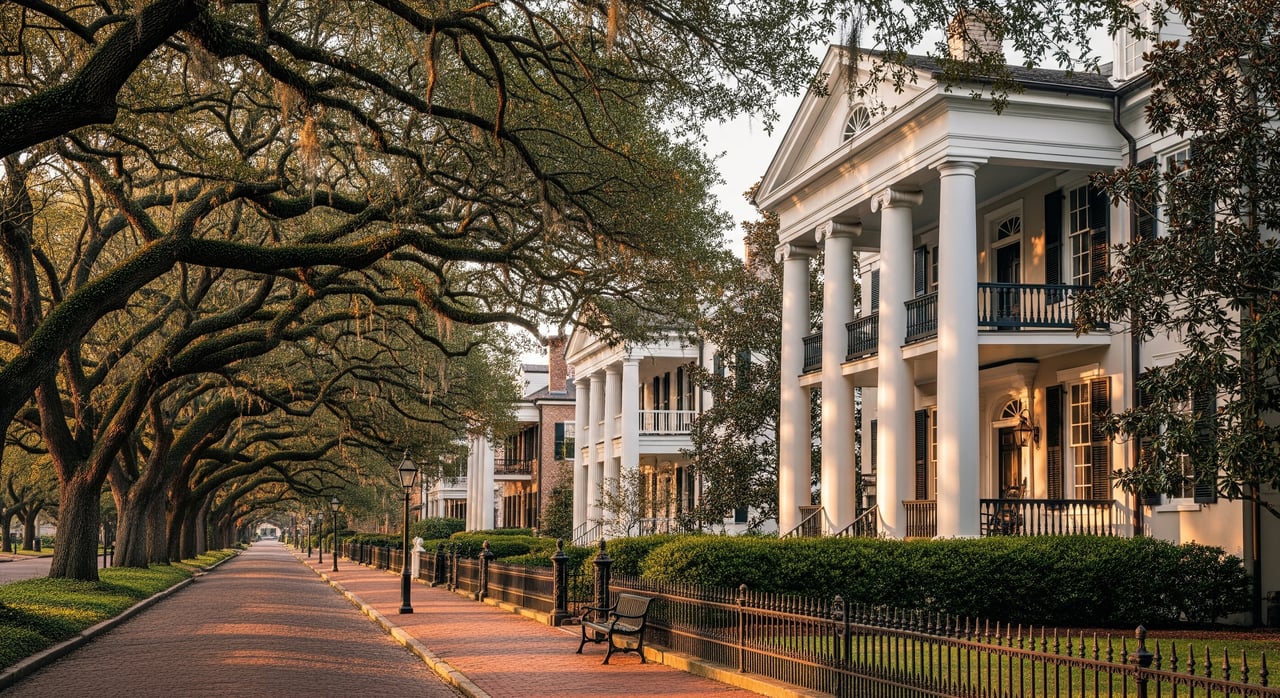
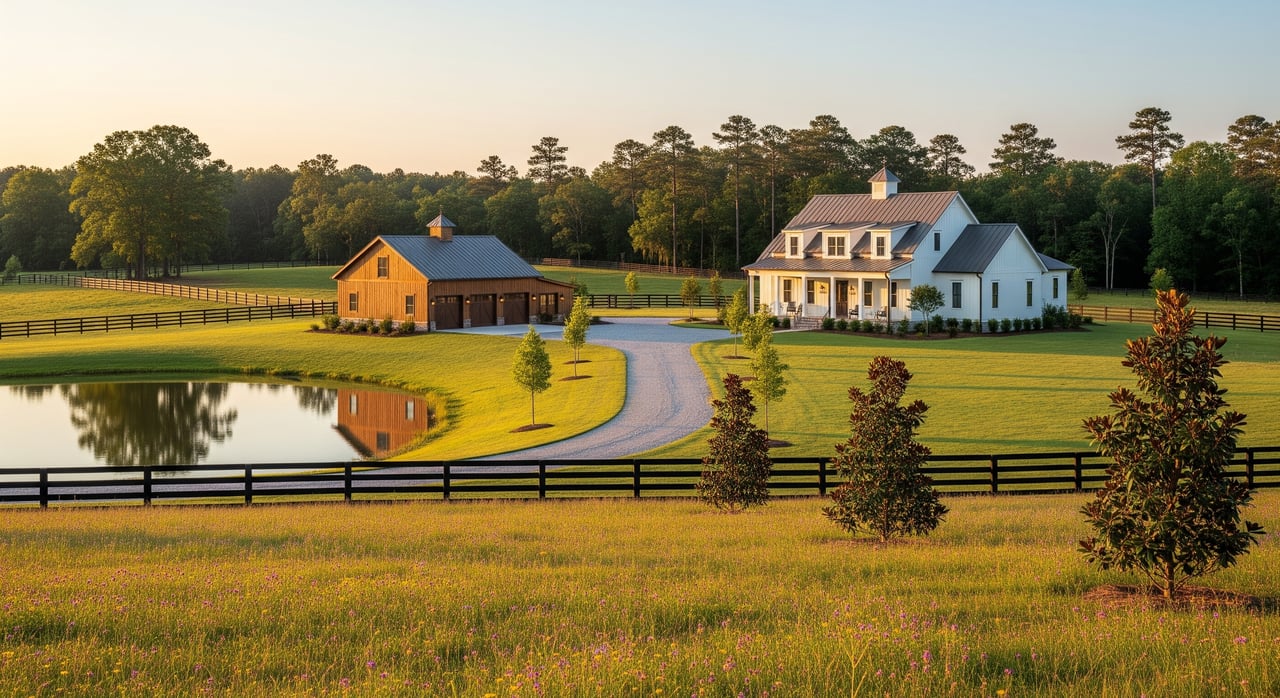
Camden is the county seat with a more established town center and historic neighborhoods. You’ll find everything from in-town residential lots to larger estates and equestrian properties as you move outward. Acreage is available, especially on the outskirts along rural roads.
Lugoff at a glance
Lugoff sits along the I‑20 corridor and has grown with commuter demand. You’ll see more subdivisions and mid-sized lots close to highways. Acreage parcels exist, though they can be fragmented or in transition where development pressure is higher.
Elgin at a glance
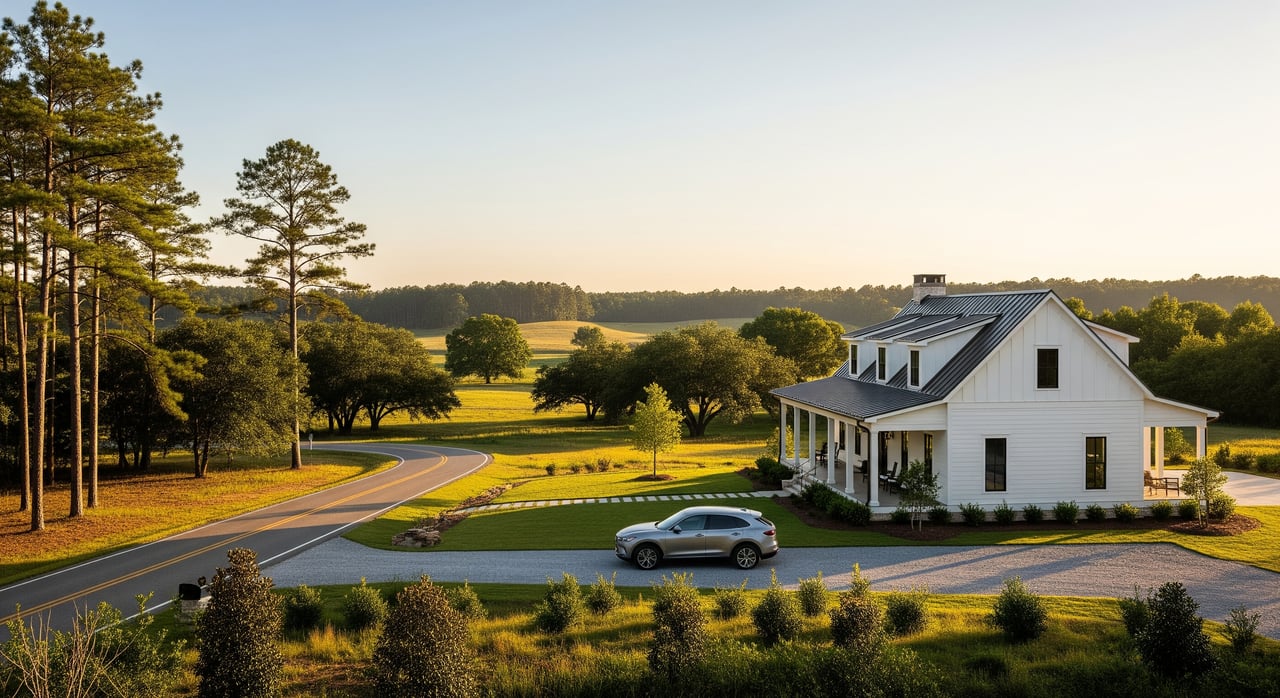
Elgin trends more rural with lower density and open land. It’s a strong place to look for 1–20+ acre tracts, hobby farms, and non-subdivision parcels. Services are fewer immediately nearby, but you’re within reach of Camden and Columbia.
Lot size patterns and parcel types
Where acreage clusters
- Camden: Mixed options. Smaller in-town lots, then larger residential and farm parcels as you head outward. Established equestrian properties are part of the landscape.
- Lugoff: Many neighborhoods with smaller to mid-sized lots near the interstate. Acreage exists, though often farther from I‑20 or in areas transitioning to subdivisions.
- Elgin: Greater prevalence of larger tracts and rural parcels, including 1–20+ acres suitable for hobby farms or timber.
Subdivisions vs. open parcels
- Subdivisions are more common near Camden and in Lugoff’s growth areas, often with plats and recorded rules.
- Unplatted acreage and tax parcels are more common in Elgin and rural outskirts. These can offer fewer formal restrictions, but you still need to check deeds for covenants.
Tip: Soils and topography vary widely. If you plan a barn, arena, or garden, verify suitability for building, pasture, and access before you write an offer.
HOAs, covenants, and land-use rules
What to expect
- Camden and Lugoff: Where you see planned developments or subdivisions, you’ll likely see HOAs or deed restrictions.
- Elgin and rural outskirts: Larger agricultural parcels often do not have HOAs. You may still see deed restrictions, conservation easements, or timber covenants that affect future use or subdivision.
What to check first
- Minimum home size and setbacks.
- Livestock and number of outbuildings allowed.
- Well and septic placement.
- Timber, mineral, or conservation restrictions.
- Zoning basics like minimum lot size and permitted uses.
Confirm details with Kershaw County Planning & Development, the City of Camden for in-city parcels, and the Register of Deeds for recorded covenants and easements.
Services for acreage buyers
Equine and ag access
- Camden: Typically the best access among the three for equine and agricultural resources thanks to its size and equestrian history. You’ll find feed/tack, trainers, farriers, and more.
- Lugoff: Basic agricultural supplies are available, with quick access to Camden or Columbia for specialized needs.
- Elgin: Fewer immediate retail options. Many owners look to Camden or Columbia vendors for feed, vet, or equipment.
Consider your go-to sources for hay, fencing, tractor service, and land management. Ask around about waiting lists for boarding, farriers, or vets before you close on a property.
Who to contact
Start with local barns, feed/tack retailers, and equine associations. Clemson Cooperative Extension in Kershaw County can provide practical guidance on pasture, grazing, and local vendor referrals.
Utilities, septic, and broadband
Water and sewer
- Camden (in-town and nearby): Municipal water and sewer are often available.
- Lugoff and Elgin: Many rural parcels rely on private wells and septic. Public water may run along certain roads; sewer is typically limited outside municipalities.
Plan for a septic permit and percolation testing if you’re building. County environmental health offices manage approvals, and soil conditions will drive your system type and cost.
Power, gas, and internet
- Electricity is broadly available but may involve different providers or line-extension costs in remote spots.
- Natural gas is uncommon on rural acreage. Most owners use propane or electric heat.
- Broadband can vary. Camden and developed parts of Lugoff usually offer more wired options, while rural Elgin may have limited wired choices and variable cell coverage.
Verify with utility providers, check FCC broadband maps, and talk to neighbors for the most accurate, on-the-ground picture.
Commute to Columbia
Route tips
I‑20 is the primary corridor into the Columbia metro. Lugoff typically offers the quickest interstate access, while Camden and Elgin are commutable depending on your exact parcel and road access. If you drive daily, favor properties close to I‑20 or major state highways and test routes during peak hours.
Also consider intersection congestion near town centers, school traffic patterns, and whether access roads are paved or private. If a road is private, confirm maintenance responsibilities and any shared-drive agreements.
Due diligence essentials
Use this checklist before you commit:
- Get a current plat and, if needed, order a new survey.
- Confirm zoning, minimum lot sizes, and permitted uses with Kershaw County Planning & Development or the City of Camden for in-city addresses.
- Search recorded covenants, easements, and deed restrictions at the Register of Deeds.
- Order a septic perc test and review soils for building and pasture suitability.
- Call electric, water, gas, and internet providers for service availability and line-extension estimates.
- Check FEMA flood maps and county floodplain data.
- Verify access: public vs. private road, maintenance obligations, and deeded access.
- Talk with local barns, feed suppliers, and Extension agents about hay supply, grazing seasons, and service availability.
- Review title items, including timber and mineral rights where relevant.
- Ask your agent for recent comparable land sales from the local MLS and county records to set realistic expectations on price per acre.
Which area fits your goals
Choose Camden if
- You want town amenities close by with access to acreage and established equestrian properties.
- You value a strong community hub and municipal services nearby.
- You are comfortable paying a potential premium to be near services and historic districts.
Choose Lugoff if
- You prioritize quicker interstate access for a regular Columbia commute.
- You want suburban conveniences with the option for a larger residential lot.
- You are open to a mix of subdivisions and some acreage farther from I‑20.
Choose Elgin if
- You want more rural character with larger tracts, privacy, and hobby-farm potential.
- You prefer fewer formal HOA environments and are willing to verify deed restrictions case by case.
- You are comfortable driving to Camden or Columbia for specialized equine or agricultural services.
Practical next steps
- Narrow your target based on commute tolerance and service needs.
- Have your agent pull current acreage listings and recent land comps.
- Schedule a perc test early and budget for driveway, septic, and line-extension costs.
- Verify utilities, access, and any road or maintenance agreements with the seller.
- Visit parcels at different times of day to assess traffic, cell service, and local activity.
- Confirm details with county planning, environmental health, and the Register of Deeds before finalizing terms.
Ready to find the right acreage fit in Kershaw County? Partner with a team that specializes in land, farms, and equestrian properties and can guide you through every step. Reach out to Campbell & Company to request property lists, due diligence support, and a smart plan for tours.
FAQs
What area near Columbia offers the most larger tracts?
- Elgin and the rural outskirts of Kershaw County typically have a higher concentration of larger parcels, while Camden and Lugoff offer a mix with more subdivisions closer to town and I‑20.
Where are HOAs most common in Kershaw County?
- HOAs and planned developments are more common around Camden and in Lugoff’s growth areas; larger rural parcels in Elgin often lack HOAs but may still have deed restrictions.
How do I confirm if a parcel can support a septic system?
- Work with county environmental health to complete percolation testing and permitting, and consult soils resources to understand system type and likely placement.
Which area is better for equestrian services access?
- Camden generally provides the best local access to feed/tack, farriers, trainers, and veterinary support, with Lugoff and Elgin relying more on Camden or Columbia vendors.
What should I verify about road access before buying acreage?
- Confirm whether the road is public or private, who maintains it, any shared-drive agreements, and whether there is recorded, deeded access to the property.