Do you picture tree-lined streets, front porches, and the ease of walking to dinner after work? If so, Camden’s historic in-town neighborhoods may feel like home the moment you arrive. You want character, convenience, and a true sense of place without giving up everyday practicality. In this guide, you’ll learn what living in historic Camden looks like day to day, from architecture and walkability to cultural anchors, trade-offs, and how it compares to other Kershaw County options. Let’s dive in.
What living in historic Camden feels like
Camden’s historic core centers on a compact courthouse and downtown square with streets that invite you to slow down. You’ll find sidewalks, on-street parking, and mature trees that shade morning walks. Homes sit close to neighborhood shops and small offices, which makes simple errands feel easy and personal. The overall pace is small-city calm, with the bonus of year-round civic activity.
Architecture you notice first
19th-century charm: Federal and Greek Revival
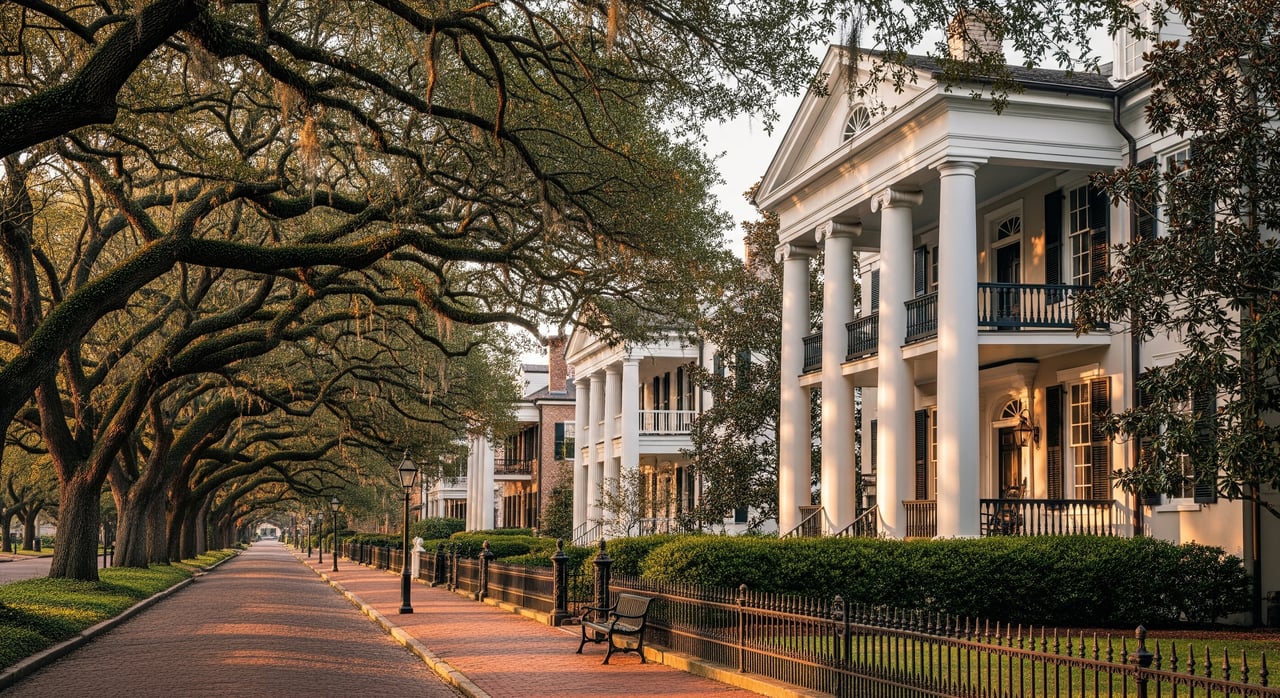
Many in-town homes date to Camden’s early growth and show Federal and Greek Revival influences. You may notice balanced facades, tall windows, and simple classical details. Some properties blend formal features with local vernacular design, reflecting the town’s inland Southern roots. Streets feel cohesive without looking cookie-cutter.
Turn-of-the-century variety
Late 19th and early 20th-century homes add visual interest with Victorian-era and Queen Anne touches. Expect wrap porches, decorative trim, and asymmetrical facades in spots. Colonial Revival elements appear on both larger homes and modest cottages. Each block can offer a pleasant mix of scale and detail.
Craftsman bungalows and cottages
Early 20th-century bungalows show up on smaller infill lots near the core. Look for broad porches, tapered columns, and practical floor plans. These homes often appeal to downsizers and first-time buyers who love historic character in a smaller footprint.
Historic storefronts and adaptive reuse
Around the square, you’ll see intact 19th and early 20th-century commercial facades. Some buildings now house galleries, restaurants, and services that support daily life in-town. The result is a walkable, mixed-use environment that still feels authentic to Camden’s past.
Preservation, permits, and what that means for you
Camden includes a listed historic district on the National Register, which documents contributing structures and significance. At the city level, exterior changes may be subject to local review, so it’s wise to ask planning staff about district boundaries, guidelines, and permitting. Many older homes need updates to electrical, plumbing, HVAC, insulation, or roofing, so plan for inspections and a realistic renovation budget. You may find state or federal rehabilitation incentives for certified projects, and local staff can help you verify current programs and requirements.
Walkability and daily convenience
Streets and sidewalks
The downtown footprint is compact, with short blocks and sidewalks that make walking simple. Crosswalks and street lighting help with evening strolls. On-street parking and nearby public lots support guests or service providers.
Everyday stops within reach
Independent cafés, restaurants, antique shops, and small professional offices cluster near the courthouse area. Civic anchors like city offices, the local library, and small museums or interpretive sites add to the routine rhythm. With these close by, you can enjoy a true walk-to setup for many errands and outings.
What you’ll drive for
Healthcare, grocery, and larger retail choices tend to sit along major corridors just outside the compact core. They’re typically a short drive away, which balances in-town walkability with broader shopping options.
Cultural anchors and rhythms
The Historic Camden Revolutionary War Site is a defining piece of local identity and a place for learning and community events. Seasonal festivals, parades, equestrian or steeplechase traditions, and farmers’ markets often bring extra energy to downtown. Institutions such as Camden Military Academy and small museums contribute to Camden’s civic character. For current calendars and hours, check official city and chamber listings before you go.
Who this lifestyle fits
- History and architecture fans who want period details and a sense of continuity.
- Professionals and commuters who value quick access to downtown offices and services.
- Downsizers and empty-nesters seeking smaller lots, porches, and walk-to amenities.
- Culture-seekers who love festivals, museum programming, and a central hub for community life.
Trade-offs to consider
- Maintenance and renovation: Older homes often need ongoing care and occasional system updates. Plan for inspections and historic-appropriate materials where required.
- Limited new construction: In-town districts rarely offer large new builds, so inventory can be tight and turnover slower.
- Parking and storage: Smaller lots and narrow streets may limit private parking. On-street parking and shared solutions are common.
- Zoning and permits: Exterior changes or additions may need review by a local historic commission or planning staff. Start conversations early to avoid surprises.
Compare living options in Kershaw County
Here’s a quick, high-level look at how in-town Camden stacks up against nearby choices like Lugoff and rural acreage settings.
| Lifestyle Area | Character | Home Types | Lot Size | Daily Conveniences | Parking |
|---|---|---|---|---|---|
| Historic Camden Core | Walkable, historic streetscape, civic and cultural anchors | 19th-century homes, Victorian-era, Colonial Revival, Craftsman | Smaller, low-maintenance | Many errands and dining within a short walk, larger retail a quick drive | Mix of on-street and limited on-site |
| Suburban (e.g., Lugoff, corridors) | Drive-centric, newer neighborhoods | Newer subdivisions and modern floor plans | Often larger on average | Big-box retail and services nearby by car | Typically private driveways and garages |
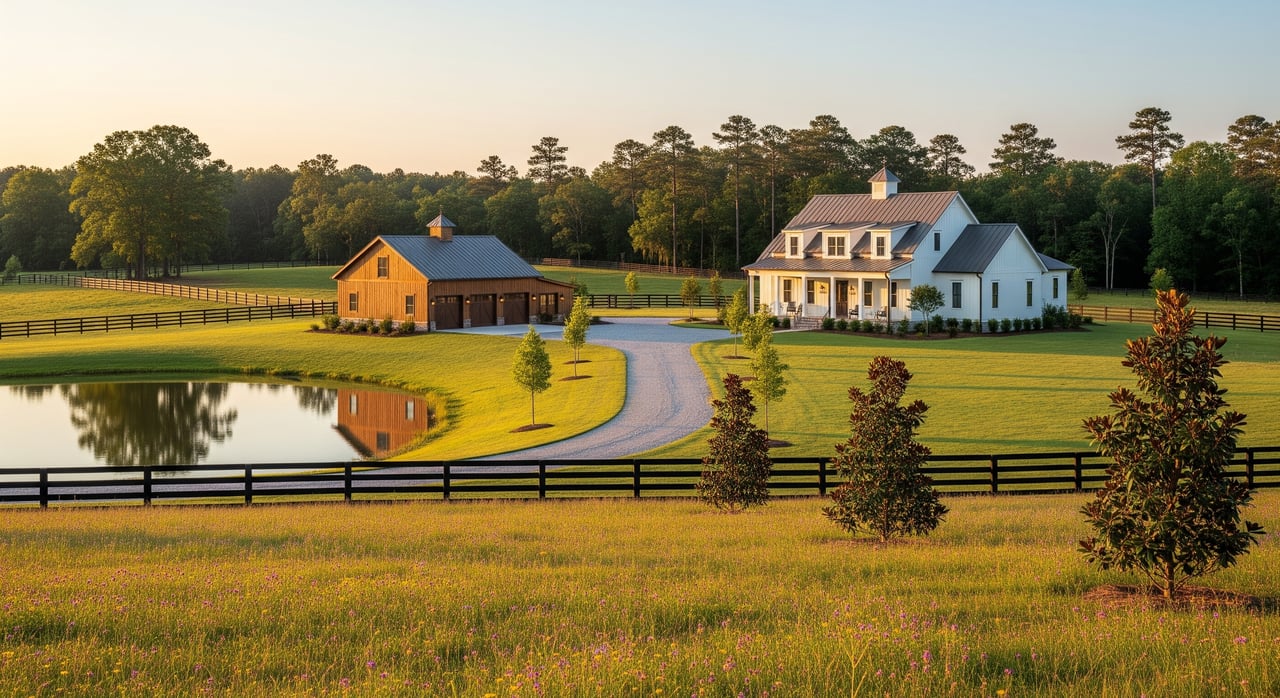
| Rural Kershaw County | Privacy and open space | Farmhouses, acreage homes, hobby farms | Larger parcels | Longer drive to services and downtown | Ample on-site space |
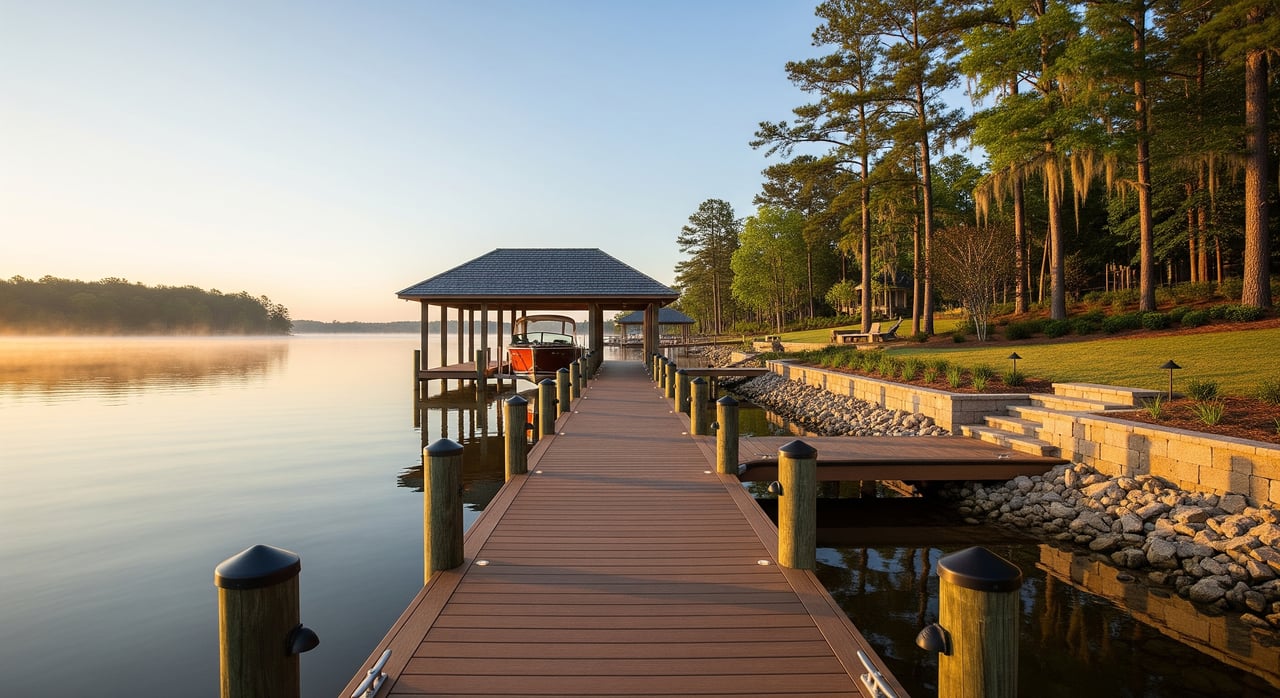
In-town life puts you close to downtown events and historic attractions. If you want weekend water time or quiet trails, county settings and Lake Wateree are within a short drive.
A simple morning walk to try
Start at the courthouse square and grab coffee at a downtown café. Stroll past historic storefronts, then wander a nearby residential block to see porches, columns, and bungalows up close. Loop to the library or a small gallery for a few minutes of browsing. End under the shade of mature trees before heading a short drive to the Historic Camden Revolutionary War Site for an afternoon of local history.
Buyer’s checklist for in-town Camden
- Inspections: Schedule a full home inspection, plus roof, structural, pest, and mechanical evaluations. Consider specialists who work regularly with historic properties.
- Flood and hazards: Review county maps and disclosures for any low-lying areas, even though Camden is inland.
- Historic review: Ask the city about district boundaries, design guidelines, required permits, and any rehabilitation incentives.
- Utilities and services: Confirm sewer, water, and utility providers. Check for shared drives, easements, or alley access.
- Parking and storage: Verify on-site parking and local rules for garages or accessory structures.
- Walk-test: Visit on weekdays, weekends, and evenings to gauge noise, lighting, traffic, and overall feel.
Ready for a closer look?
If historic architecture and walkable streets fit your vision, we’d love to help you explore available homes and compare neighborhoods across Kershaw County. With boutique, concierge-level guidance and deep local expertise, you can move at your pace and with confidence. Connect with Campbell & Company to see what’s possible. Request a concierge consultation.
FAQs
What makes Camden’s historic district feel walkable?
- The downtown core has short blocks, sidewalks, and a cluster of storefronts and civic buildings, which makes everyday errands and dining an easy stroll.
Will I need approvals to change a historic home’s exterior?
- You may, depending on location and scope; ask city planning staff about district boundaries, design guidelines, and any required permits before starting work.
Are there modern amenities close to the historic core?
- Yes, independent restaurants, cafés, and shops are near the square, while bigger retail, grocery, and healthcare are typically a short drive along major corridors.
How does in-town Camden compare with Lugoff or rural areas?
- In-town offers walkability and historic character, Lugoff leans newer and car-oriented, and rural areas provide space and privacy with longer drives to services.
What should I budget for with an older home?
- Plan for inspections and potential updates to electrical, plumbing, HVAC, insulation, and roofing, plus time for any required historic review.
What cultural attractions anchor the Camden area?
- The Historic Camden Revolutionary War Site, seasonal festivals and parades, equestrian traditions, and local museums shape the town’s civic calendar and identity.